Henderson Hall Early Peoples
FAMILY PROFILES ◆ HISTORY ◆ ORIGINS ◆ EARLY PEOPLES ◆ PATRIOTS ◆ CIVIL WAR ◆ HORSE FARM ◆ TIMELINE ◆ GALLERY ◆ EVENTS ◆ CONTACT US
The Adena Indian Mounds at Henderson Hall
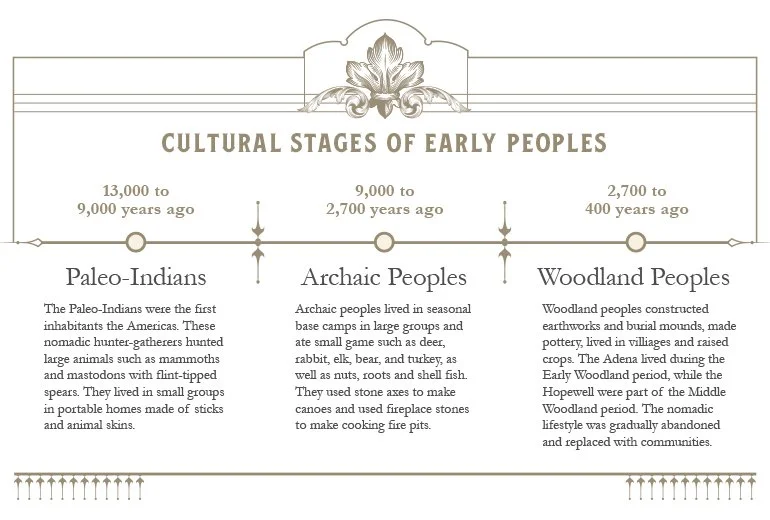
There are three Early Peoples mounds located on the Henderson Hall property. These mounds were built by the Adena Indians about 2,000 years ago. These Indians were also called mound builders. The mounds contain skeletal remains and other artifacts such as utensils and spearheads. Little is known of these Native Americans except for what has been found in the mounds. The mounds at Henderson Hall have never been dug and will continue to hold the mystery of a civilization that once inhabited the area surrounding Henderson Hall.
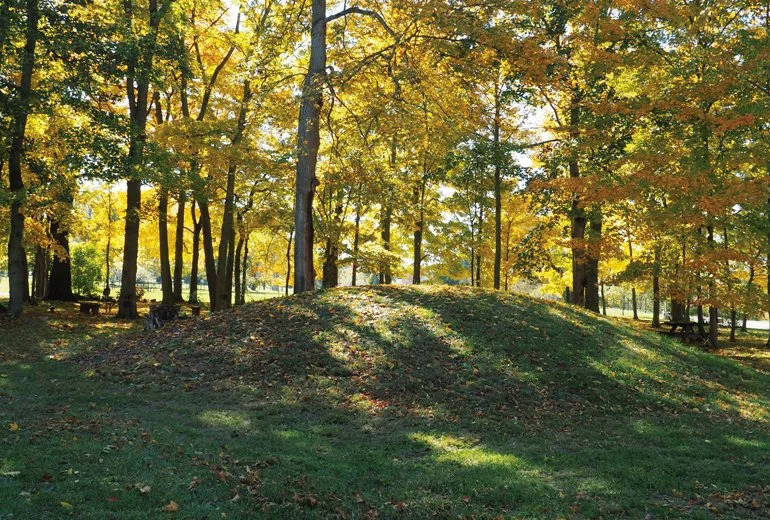
“West Virginia was home to many generations of Native Americans long before European settlers arrived. Early Woodland peoples such as the Adena built mounds over the remains of chiefs or other people of high social standing.”
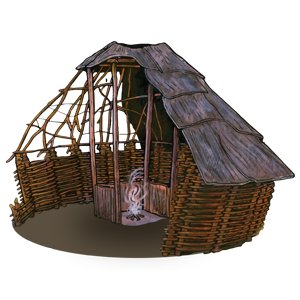
How the Adena lived
Circular, wooden homes
The Adena lived in circular houses made of wickerwork and bark that were joined to large wooden beams to form a conical-shaped roof. These structures ranged from 15 to 45 feet in diameter and may have been used for both domestic and ceremonial purposes.
The Grave Creek Mound
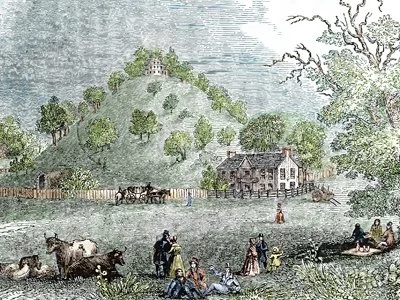
In 1772, Joseph Tomlinson II, grandfather of Elizabeth Tomlinson Henderson, discovered the Grave Creek Mound near present-day Moundsville, West Virginia. The largest conical mound builder structures, the Grave Creek Mound, which stands 69 feet tall, was built in successive stages from about 250–150 B.C., as indicated by multiple burials at different levels within the structures.
Joseph and his brother Samuel built cabins and settled at Grave Creek, which was originally named Elizabethtown after Joseph’s wife. The family excavated the mound in 1838 by tunnels on the sides and top, discovering two vaults constructed of timber inside containing three human skeletons. Among the artifacts reported were 1,700 ivory beads, 500 sea shells, and five copper bracelets. The site is now owned by the state of West Virginia and is on the National Register of Historic Places.
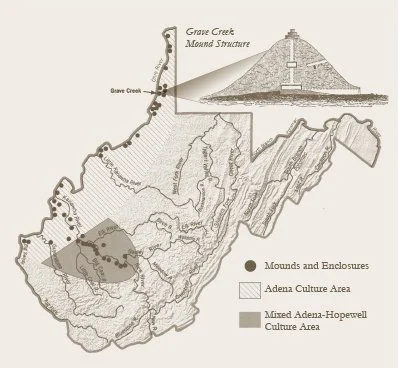
Early and middle woodland
sites in West Virginia
There are 424 recorded mounds and enclosures in West Virginia. The majority of mounds in the state are concentrated along the major river valleys, including the Kanawha, Ohio, and Potomac rivers.
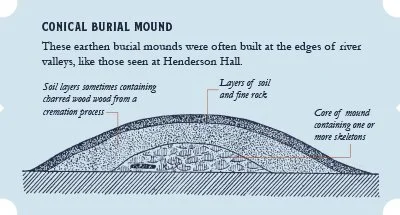
Types of Burial Mounds
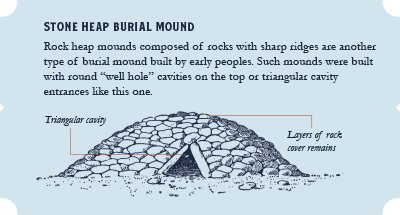
In 1848, Ephraim G. Squier and Edwin H. Davis published Ancient Monuments of the Mississippi Valley, the first book produced by the Smithsonian Institute. The book details hundreds of earthworks and burial mounds built by early peoples, including detailed descriptions, surveys and sketches of different types of burial mounds.
Artifacts found at Henderson Hall
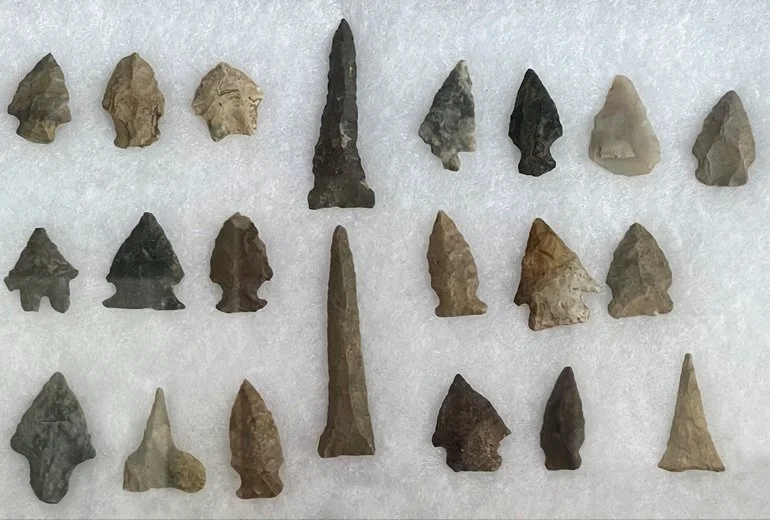
Several Adena flint tips and arrowhead points have been found over the years near the burial mounds at the Henderson Hall plantation.
Many of these can be seen on display in Henderson Hall. In many mounds, individuals were laid to rest with a variety of grave goods such as flint tools, beads, pipes, and mica and copper ornaments.